The Strait of Hormuz—a narrow waterway carrying roughly a quarter of the world’s seaborne oil—has become far more than an energy bottleneck. Since the US-Israeli military campaign against Iran effectively closed this critical passage, the ripple effects have spread well beyond fuel prices. Semiconductors, batteries, fertilisers, and defence production are now caught in a widening supply crisis that is exposing structural vulnerabilities in global supply chains.
While headlines focus on oil and gas prices, a quieter but equally serious disruption is unfolding across a wide range of industries that rarely attract public attention—until the consequences become unavoidable.
Petrochemicals: The invisible backbone of polymers, semiconductors and batteries
The Gulf region produces a substantial share of the world’s petrochemical exports—substances like ethylene, propylene, methanol, and ammonia that form the building blocks of countless products. These chemicals become the polymers in packaging, automotive components, and construction materials worldwide.
More critically, Gulf petrochemical plants also produce the ultra-pure chemicals and solvents that semiconductor factories in Taiwan, South Korea, Japan, and China depend on. With chip shortages already constraining production, this disruption compounds the problem—affecting everything from consumer electronics to industrial automation systems and precision-guided military equipment.
The battery industry faces similar challenges. Specialised solvents and binders needed to manufacture lithium-ion batteries—including N-Methyl-2-pyrrolidone (NMP) and precursors for polyvinylidene fluoride (PVDF)—rely partly on Gulf-sourced petrochemical intermediates.
Sulphur: The overlooked critical input reshaping markets in real time
Sulphur, a by-product of oil and gas refining, has emerged as one of the most underappreciated—and now acutely urgent—casualties of the Strait disruption. The Gulf region produces approximately 25% of global sulphur output, and the market impact has been immediate and severe.
US sulphur prices have surged 165% year-over-year to over $650 per metric ton, with an additional 25% increase since the Iran conflict began. Domestic procurement has become intensely competitive, while imports of ultra-high-purity grades required for advanced manufacturing are increasingly difficult to secure. Prices that were already elevated have risen further as the supply shock reverberates through global markets.
The significance extends far beyond the sulphur market itself. Sulphuric acid—produced by burning sulphur—is indispensable for multiple critical material supply chains. It serves as the primary leaching agent in copper, nickel, and cobalt refining, essential processes for electric vehicle batteries and renewable energy infrastructure. Sulphuric acid is also the key input for phosphate fertiliser production (specifically MAP and DAP), linking Gulf sulphur exports directly to global food security and agricultural productivity.
A sustained sulphur supply shock therefore cascades through battery material refining operations in Indonesia, the Philippines, and Africa; tightens nickel and cobalt availability for EV production; and raises fertiliser costs for agriculture worldwide. The resulting strain on lithium processing in Australia and Chile further constrains battery-grade material supply. Africa is particularly exposed, as most of its sulphur supply originates from Strait-routed trade, occurring precisely as China has been establishing dominant positions in critical mineral processing across the continent.
Metals and ferro-alloys: Trans-shipment and production hubs under pressure
While the Gulf is not a major source of base metal ores, it plays a critical role in global metals logistics. The UAE’s Jebel Ali port serves as a primary trans-shipment hub for copper, zinc, nickel, and other metals moving between producers and consumers in Asia, Europe, and Africa. The Strait closure forces re-routing via the Cape of Good Hope or alternative corridors, adding 10 to 30 days to transit times and increasing freight costs by 20% to 50%.
Regional production also matters significantly. Oman exports copper concentrates and produces ferro-alloys, including ferrochrome—essential for stainless steel and superalloys used in aerospace, energy infrastructure, and renewable energy equipment. Iran is a significant ferrochrome producer.
Picture: offshore-energy.biz
Fertilisers: A cascading food security threat
The Gulf states are major exporters of ammonia and urea, with approximately 33% of global seaborne fertiliser trade transiting the Strait and nearly 50% of global urea exports originating from countries west of the Strait. Saudi Arabia alone is the leading supplier of US phosphate imports and ranks among the top four global phosphate exporters.
These fertilisers underpin global agricultural productivity. Disruption raises input costs for farmers worldwide—particularly in import-dependent regions such as South Asia, Southeast Asia, and parts of Africa and Latin America. India faces immediate exposure, with fertiliser manufacturers already reducing urea output as elevated LNG prices raise production costs, threatening the Northern Hemisphere planting season. Higher fertiliser costs will cascade through food prices, affecting consumers globally.
LPG and natural gas liquids: Feedstock for industrial and energy infrastructure
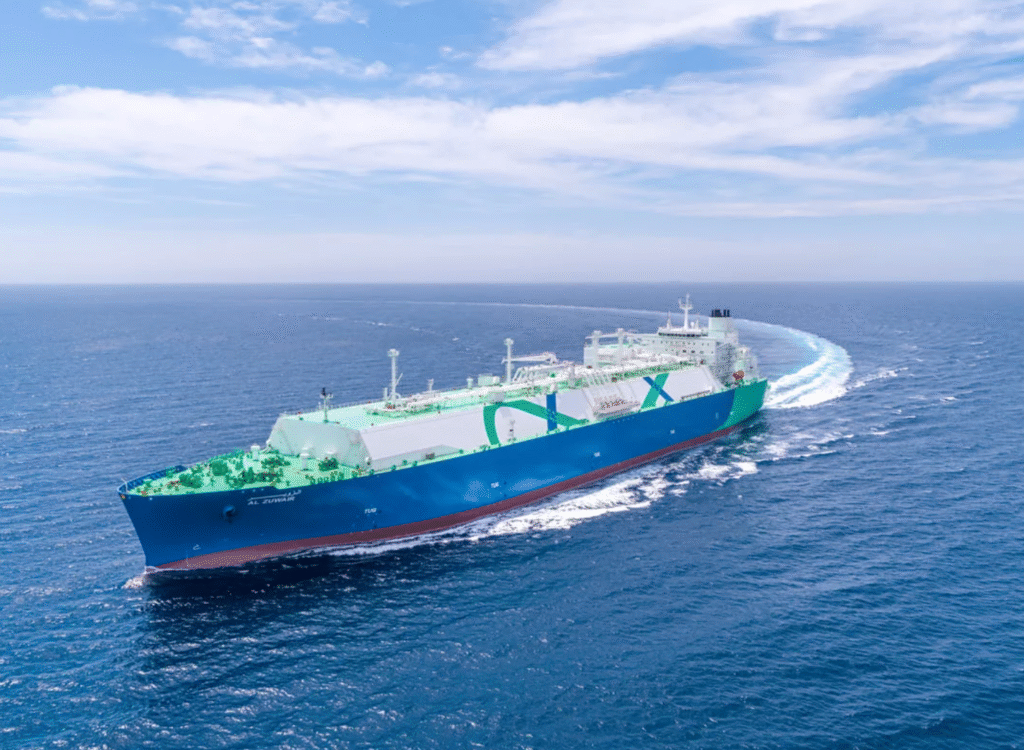
Qatar, the UAE, and Saudi Arabia are major exporters of liquefied petroleum gas (LPG) and natural gas liquids, used as petrochemical feedstock in Asian steam crackers and as cooking fuel across developing economies. In 2024, 83% of LNG transiting the Strait went to Asian markets, with China, India, and South Korea accounting for 52% of LNG imports—creating acute exposure as LNG prices increase and production costs rise.
Natural gas liquids also serve as feedstock for hydrogen production via steam methane reforming, which supplies ammonia plants for fertilisers and refinery desulphurization units. Disruption impacts both traditional industrial hydrogen applications and emerging hydrogen economy infrastructure.
Systemic amplification and strategic exposure
The simultaneous disruption of sulphur, fertilisers, petrochemicals, copper, and LNG creates a multi-commodity supply shock that tightens critical raw materials for energy transition, agriculture, electronics, and defence industrial production.
- Food security threat: Nearly a third of the global fertiliser trade is disrupted; urea, ammonia, and phosphate production face severe cost pressure. Import-dependent regions in South Asia, Africa, and Latin America face immediate food price inflation.
- Defence industrial base: Copper extraction and semiconductor fabrication face constraints at a time when precision-guided munitions, advanced electronics, and critical military technologies depend on these inputs.
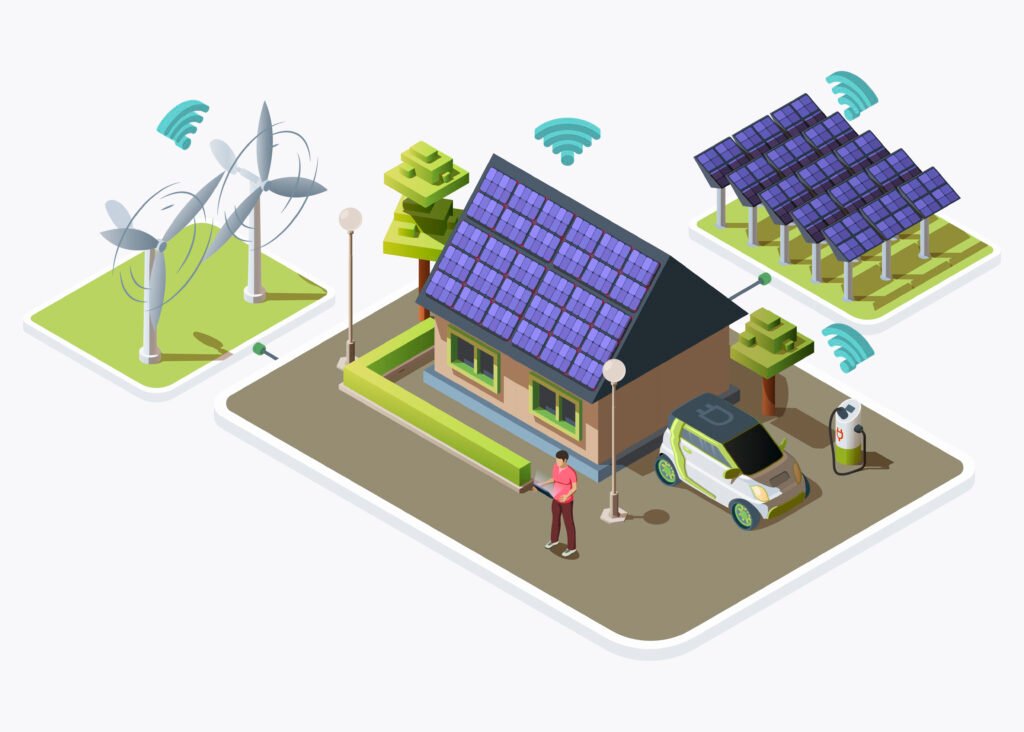
- Energy transition delay: Tightened supplies of copper, aluminium, petrochemicals, sulphur, and speciality materials simultaneously constrain solar, wind, EV, and battery supply chains, delaying decarbonization projects and raising costs.
- China dependency amplification: Disruption forces greater reliance on Chinese supply and processing, particularly for critical minerals. Beijing’s dominant position in African mineral processing and rare earths is reinforced as alternative supply chains constrict.