Emirates Global Aluminium’s Al Taweelah smelter sustained significant damage from a military attack on 28 March 2026, according to Reuters and Bloomberg reports. The incident marks the third major disruption to Gulf aluminium production in recent weeks, following force majeure declarations by Aluminium Bahrain (Alba) and operational curtailments at Qatalum in Qatar. Parallel Also Alba was attacked; the scale of the damage is unknown.
Scale of disruption
EGA’s Al Taweelah facility, with annual capacity of approximately 1.5 million tonnes, represents roughly a quarter of the Gulf Cooperation Council’s total primary aluminium production capacity of 5.5–6.0 million tonnes per year. Combined with Alba’s 1.5 million tonne capacity and Qatalum’s 740,000 tonnes, the three producers account for more than half of regional output.
Qatalum initiated a controlled shutdown in early March following gas supply disruptions, and has since operated at 50–70% of normal capacity according to statements from joint venture partner Norsk Hydro. Alba invoked force majeure citing operational disruptions linked to regional security incidents, affecting its ability to meet contractual deliveries.
The cumulative impact represents a potential loss of 2–3 million tonnes of annual capacity—equivalent to 35–50% of GCC aluminium production—driven by military attacks, shipping disruptions, and energy supply curtailment related to the Iran conflict.
Market implications
The near-simultaneous disruption of three major Gulf producers is expected to materially tighten global physical aluminium availability and lift regional premiums. Market analysts anticipate upward pressure on London Metal Exchange prices and heightened volatility as buyers seek alternative sources.
Medium term, demand is likely to shift toward primary metal for other sources and secondary aluminium from scrap recycling. Logistics and insurance costs are expected to rise as shipping routes adjust to conflict-related risks.
Picture: www.machine4aluminium.com
Is compensation possible?
Global primary aluminium production totals approximately 70 million tonnes annually, with the GCC accounting for 8–9% of output. The loss of 2–3 million tonnes represent 3–4% of global supply—a significant but not catastrophic disruption if other regions can increase production.
– China remains the critical variable. With annual capacity near 40 million tonnes and estimated idle capacity of 1–3 million tonnes, Chinese producers could partially offset Gulf losses within one to three months if government policy supports increased exports through energy allocation adjustments or VAT rebate modifications. However, domestic demand, export quotas, energy dual-control targets, and trade frictions may limit availability to international markets.
– Russia, with 3.6–4.0 million tonnes of capacity, operates at high utilization and could add 200,000–500,000 tonnes to exports, primarily to Asian and Middle Eastern buyers. Western sanctions restrict access to US and European markets, limiting Russia’s compensatory role.
– Europe and North America have curtailed 0.5–1.0 million tonnes of capacity due to high energy costs. Restarts would require sustained high aluminium prices to justify power expenses and would take six to twelve months to achieve meaningful output increases. Most incremental production would likely serve domestic markets rather than exports.
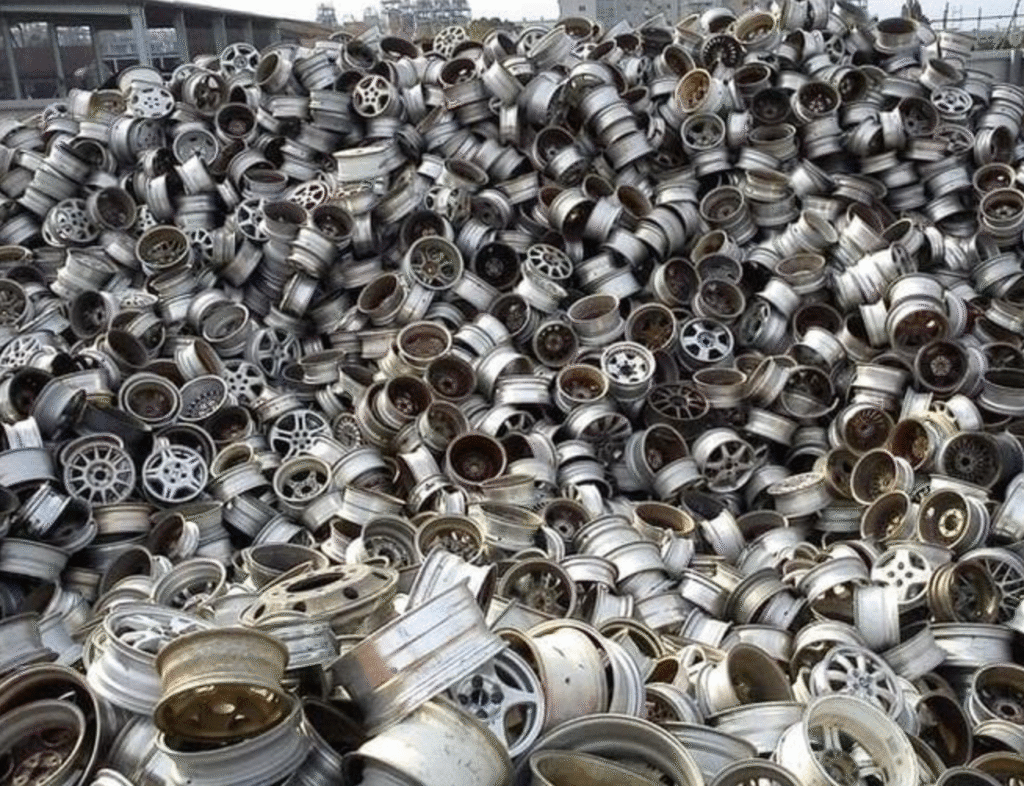
– Secondary aluminium: Disruption led to a regional premium increase, which motivates higher collection rates. Secondary aluminium is local and does not face shipping constraints; it is also less impacted by the energy cost increase, as melting requires significantly less energy than for primary.
Secondary aluminium could absorb some demand spikes, reducing extreme price volatility. Many traders suggest that secondary aluminium could cover 30–50% of smelter shortfall for standard alloys. For critical engineering alloys, compensation is closer to 10–20% at best.
MM Markets specialises in material flows and secondary supply. We help clients develop resilient, value-optimising secondary raw material strategies and identify new sourcing opportunities.